


Non-Negotiables in Sobriety: The Practices That Protect Your Peace and Recovery
Sobriety can begin with one primary goal: don't drink or use substances.
But as we grow in recovery, the focus often begins to expand.
We start asking different questions.
How do I want to feel? What helps me stay grounded? What kind of relationships support me? What do I need in order to feel emotionally, physically, and spiritually well?
This is where developing non-negotiables in sobriety can become powerful.

Authentic Joy in Sobriety: How to Rediscover Happiness Without Alcohol
Authentic joy is a deep sense of contentment that comes from living in alignment with your values. Unlike temporary pleasure or escape, it doesn't disappear the next morning. It grows through healing, self-awareness, meaningful relationships, and intentional living.

Peace vs. Chaos in Sobriety: How to Create Lasting Inner Calm in Recovery
Many people enter sobriety hoping life will immediately become peaceful. While removing alcohol is a powerful first step, lasting peace often requires much more than simply abstaining from drinking. Recovery invites us to heal the mind, body, and spirit so we can move from surviving to truly thriving.

Protecting Your Energy Is Sacred in Sobriety
When people think about sobriety, they often focus on what they're giving up. But lasting recovery isn't just about removing alcohol or substances—it's about creating a life that supports your physical, emotional, mental, and spiritual well-being.
One of the most important ways to do that is by protecting your energy.
Your energy is more than how much you accomplish in a day. It's your emotional capacity, your peace of mind, your ability to respond thoughtfully instead of reacting impulsively, and your resilience when life feels challenging. In sobriety, protecting that energy becomes a form of self-respect—and an essential part of maintaining your recovery.

Self-Sabotage in Sobriety: Why It Happens and How to Break the Cycle
Many people enter sobriety believing that once alcohol is removed, life will automatically improve. While recovery often brings positive changes, it can also reveal deeper patterns that were hidden beneath drinking. One of the most common—and frustrating—of these patterns is self-sabotage.

Healing the Soul in Sobriety: Why Recovery Is About More Than Quitting Alcohol
For many people, sobriety begins with one goal: stop drinking. While this is an incredible accomplishment, lasting recovery often involves something much deeper—healing the soul.
True recovery isn't simply the absence of alcohol. It's the process of reconnecting with yourself, rebuilding trust, finding meaning, and creating a life that no longer requires escape.

How Nervous System Regulation Supports Long-Term Sobriety
When people think about sobriety, they often focus on behavior—stopping drinking, avoiding triggers, or building better habits. But beneath all of that is something even more foundational: the nervous system.
Your nervous system plays a central role in how you experience cravings, emotions, and stress. Understanding and supporting it can be the difference between struggling in sobriety and truly thriving.

Tending to the Little Things in Sobriety: Small Actions That Create Lasting Change
When people imagine recovery, they often picture major milestones: the first 30 days, six months, or a year alcohol-free. While these achievements deserve celebration, long-term sobriety is often built through something much quieter—the little things.
The small daily choices we make may seem insignificant on their own, but over time they create the foundation for lasting recovery and emotional sobriety.
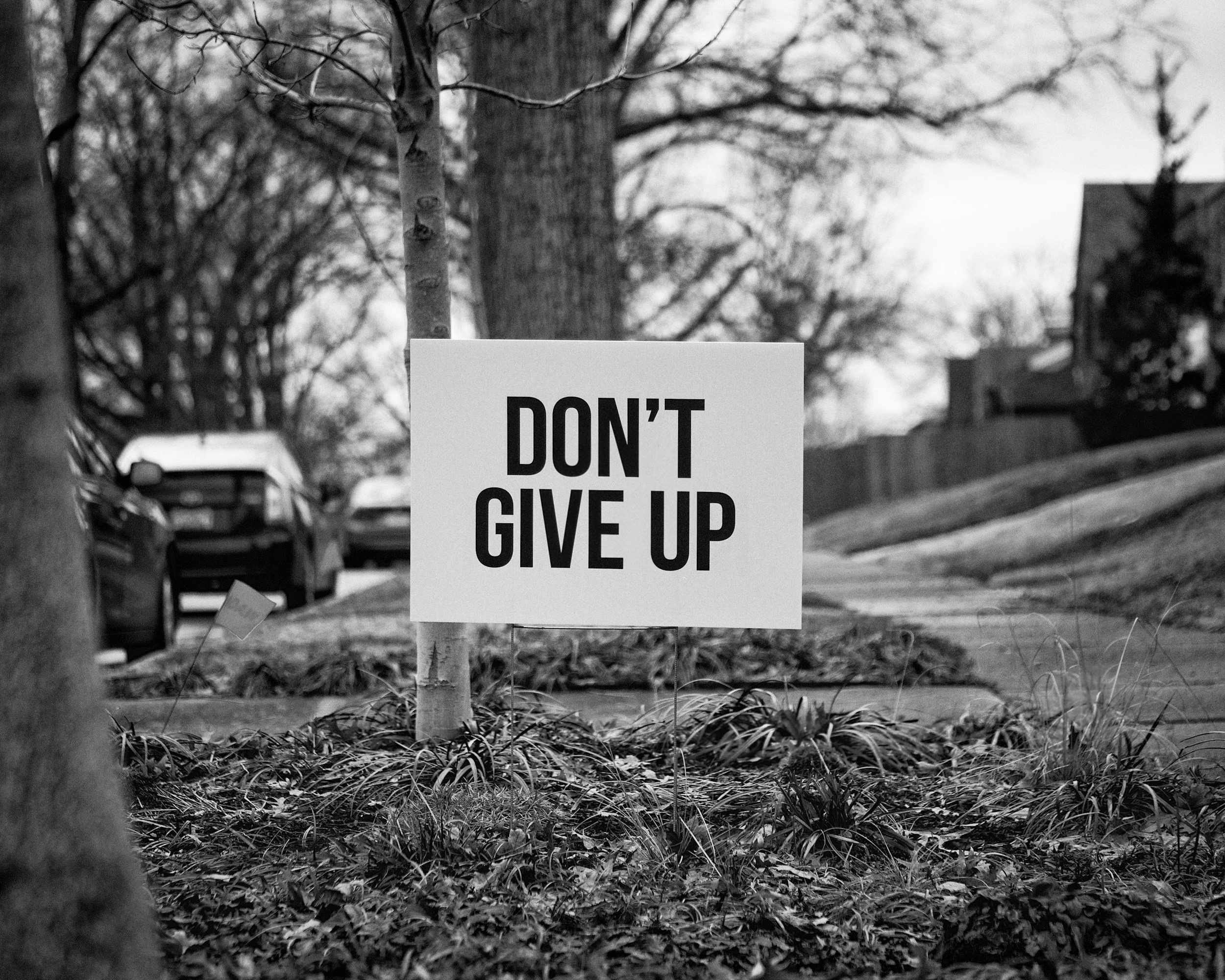
Keep Going in Sobriety: What to Do When It Gets Hard
There’s a version of sobriety that gets shared often—the peaceful mornings, the clarity, the sense of freedom.
And while those moments are real, there’s another side that deserves just as much attention:
The hard days.
The days where emotions feel overwhelming. The days where old patterns call louder than usual. The days where you wonder, “Why does this feel so difficult?”

Make It Easier, Not Harder: A Sustainable Approach to Sobriety
Many people enter recovery believing that struggle is part of the process—that if it feels difficult, they must be doing it “right.” While there is truth in the idea that growth requires effort, chronic struggle is not the goal. In fact, long-term sobriety is more sustainable when it becomes supportive, not exhausting.
Learning to “make it easier, not harder” is a powerful shift in how we approach recovery.

Being Present in Sobriety: How to Experience Life Instead of Escaping It
One of the most profound shifts in sobriety is learning how to be present. Without alcohol to numb, distract, or soften the edges, life can feel more intense—but also more real.
Presence is the foundation of emotional sobriety. It allows you to experience your thoughts, emotions, and environment without immediately reacting or escaping. Over time, this builds resilience, self-trust, and a deeper connection to your life

Habit Stacking in Sobriety: Small Daily Shifts That Create Lasting Change
When people begin their sobriety journey, there’s often a strong desire to change everything at once. New routines, new coping strategies, new ways of thinking. While this motivation is powerful, it can also become overwhelming—and that overwhelm can lead to burnout.
If you’ve ever felt like you’re doing “all the things” but still struggling, you’re not alone. Sustainable sobriety isn’t built through pressure—it’s built through consistency.

Showing Up When Life Gets Hard in Sobriety
One of the biggest myths about sobriety is that once alcohol is removed, life becomes easy. While recovery often brings clarity, peace, and healing, it does not remove life’s inevitable challenges.
People still experience grief, stress, financial pressure, relationship struggles, loneliness, and uncertainty. The difference is that sobriety gives us the opportunity to face those moments with presence instead of escape.
Learning how to show up when life gets hard in sobriety is one of the deepest forms of healing.

Rediscovering Joy in Sobriety: How Life Becomes Meaningful Again
Many people fear that sobriety means losing joy.
They worry life will become boring, restrictive, or emotionally flat. If alcohol was once connected to celebration, relaxation, confidence, or fun, it can feel hard to imagine happiness without it.
But for many people, the opposite becomes true.
Sobriety often creates the conditions where real joy can return.

Relationships in Sobriety: How to Navigate Connection, Boundaries, and Emotional Growth
Sobriety changes more than your relationship with alcohol—it transforms your relationships with people.
For many, this can be one of the most unexpected and challenging parts of recovery. Without alcohol to numb emotions or smooth over discomfort, you begin to experience relationships with greater clarity. And with that clarity comes awareness.
You may notice patterns you didn’t see before. Perhaps you were overgiving, people-pleasing, or avoiding conflict. Maybe certain relationships were built around drinking, and now they feel unfamiliar or even strained. This can feel disorienting, but it is also a powerful sign of growth.

Growth Instead of Perfection in Sobriety
One of the most common traps in recovery is the belief that sobriety must be done perfectly.
Many people enter recovery with a mindset that says: If I can’t do this right, I’ve failed. But sobriety is not a performance or a test. It is a journey of growth, healing, and self-discovery.
Shifting from perfection to growth can dramatically change how sustainable and empowering recovery becomes.

Experimenting With Change in Sobriety: Why Curiosity Supports Long-Term Recovery
One of the biggest challenges in sobriety is facing change. When alcohol is removed, many people realize that the routines, coping strategies, and habits that once filled their days no longer serve them.
This can feel overwhelming.
Suddenly the question becomes: How do I build a life without alcohol?
One helpful mindset shift is to approach sobriety with curiosity and experimentation rather than pressure and perfection.

Authenticity in Sobriety: How Being Real Leads to Lasting Recovery
Sobriety is often described as a journey of self-discovery, but what many people don’t realize is that it is also a journey of authenticity. When substances are removed, what remains is the opportunity—and sometimes the challenge—of learning who you really are.
For many people in recovery, alcohol or drugs were used to mask emotions, soften insecurities, and fit into environments that didn’t feel safe. Without those coping tools, vulnerability can feel overwhelming. Yet, learning to live authentically is one of the most powerful predictors of long-term healing.

Denial in Sobriety: The Hidden Barrier to Emotional Healing
Many people believe that once they stop drinking or using substances, the hardest part of recovery is over. While sobriety is a powerful and courageous step, it is often only the beginning of deeper emotional healing. One of the most common—and misunderstood—barriers in long-term recovery is denial.

Why Taking Time for Yourself in Sobriety Is Essential (Not Optional)
Taking time for yourself in sobriety can feel uncomfortable—especially if you’re used to pushing through, people-pleasing, or staying busy to avoid uncomfortable emotions. For many people in recovery, slowing down brings up guilt, anxiety, or the belief that rest must be “earned.”
But here’s the truth: taking time for yourself isn’t selfish. It’s one of the most important practices for long-term sobriety and emotional well-being.