

Being Present in Sobriety: How to Experience Life Instead of Escaping It
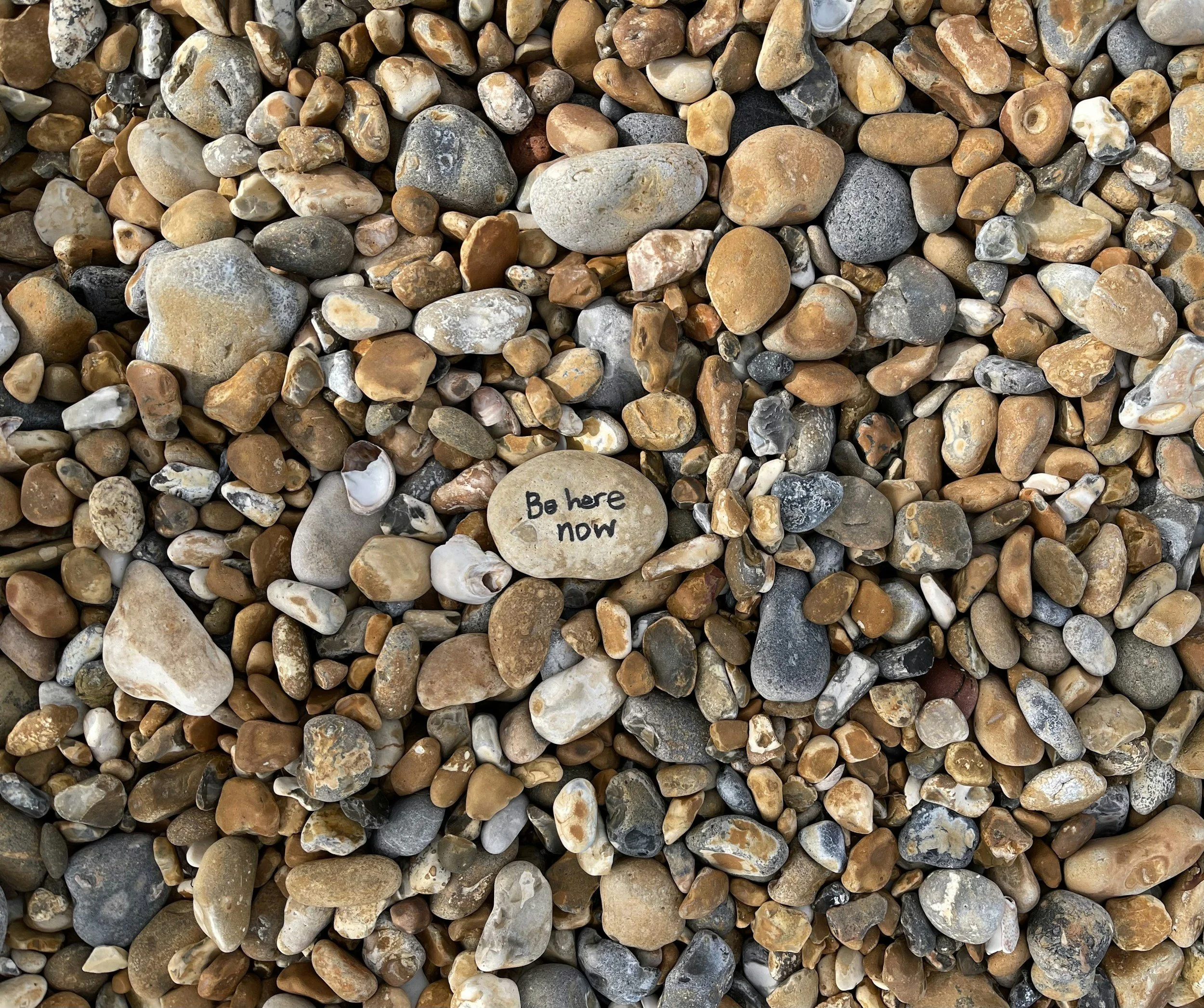
Why Presence Matters in Sobriety
One of the most profound shifts in sobriety is learning how to be present. Without alcohol to numb, distract, or soften the edges, life can feel more intense—but also more real.
Presence is the foundation of emotional sobriety. It allows you to experience your thoughts, emotions, and environment without immediately reacting or escaping. Over time, this builds resilience, self-trust, and a deeper connection to your life.
Why Being Present Can Feel Difficult
For many people, the habit of drinking was closely tied to avoiding discomfort. When substances are removed, what remains are the emotions and thoughts that were once pushed aside.
This can include:
Anxiety or racing thoughts
Emotional discomfort
Restlessness or boredom
These experiences are not signs of failure—they are part of the adjustment process. Learning to stay present with them is where growth happens.
The Practice of Coming Back
Being present is not about achieving a perfectly calm mind. It’s about gently returning to the moment, again and again.
Simple ways to practice presence include:
Breath awareness: Taking a few slow, intentional breaths
Body grounding: Noticing your feet on the floor or sensations in your body
Thought observation: Watching thoughts pass without attaching to them
Pausing: Creating space between feeling and reacting
Each of these practices strengthens your ability to stay instead of escape.
Presence and Emotional Sobriety
Emotional sobriety goes beyond abstaining from alcohol. It’s about developing the ability to feel and respond to life in a balanced way.
Research shows that mindfulness-based practices can significantly reduce relapse risk and improve emotional regulation (Bowen et al., 2014). These practices help activate the prefrontal cortex, supporting thoughtful responses instead of impulsive reactions.
Presence is the bridge between awareness and choice.
What Changes When You Stay Present
When you begin to practice presence consistently, subtle but powerful changes occur:
Cravings feel more manageable
Emotional waves become easier to ride
Self-trust begins to grow
Life feels more meaningful and connected
Instead of reacting automatically, you gain the ability to choose your response.
A New Way of Living
Being present in sobriety is not about perfection—it’s about practice. Some days will feel easier than others. What matters is your willingness to return to the moment.
Over time, presence becomes less of an effort and more of a way of being.
And in that space, you may discover something unexpected:
You don’t need to escape your life anymore.
You can fully live it.
If you’re ready to be more present in your life, consider scheduling a Level Up Your Sobriety Consult — a free session designed to help you find ways integrate presence and stop hiding from life.
References
Bowen, S., Chawla, N., & Marlatt, G. A. (2014). Mindfulness-Based Relapse Prevention for Addictive Behaviors.
Garland, E. L., et al. (2019). Mindfulness-Oriented Recovery Enhancement. Psychology of Addictive Behaviors.
Kabat-Zinn, J. (1994). Wherever You Go, There You Are.
Tanya D. is a Usui/Holy Fire® III Karuna Reiki® Master, Pranic Healer, Meditation Instructor, Holistic Recovery and Spiritual Life Coach, SHE RECOVERS® Coach, and BreakAwake Coach. Find her @thepeacewecrave on Facebook/Instagram and at www.thepeacewecrave.com for all things recovery, energy, meditation, healing, and peace. Contact her at tanyad@thepeacewecrave.com.