

Rediscovering Joy in Sobriety: How Life Becomes Meaningful Again
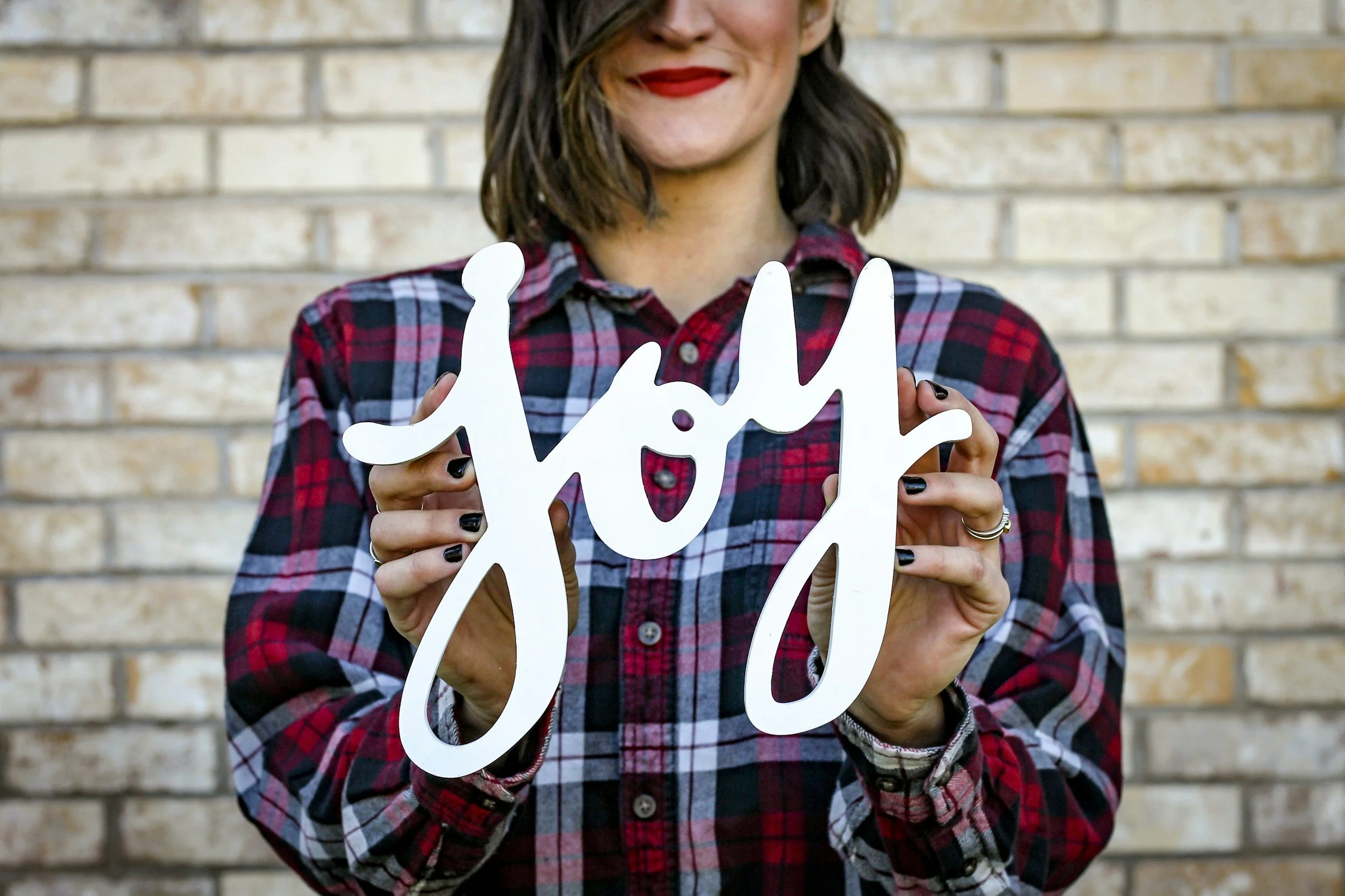
Many people fear that sobriety means losing joy. They worry life will become boring, restrictive, or emotionally flat. If alcohol was once connected to celebration, relaxation, confidence, or fun, it can feel hard to imagine happiness without it.
But for many people, the opposite becomes true. Sobriety often creates the conditions where real joy can return.
Why Joy Can Feel Distant at First
Early recovery can involve emotional adjustment, nervous system healing, and learning new coping tools. The brain’s reward pathways may need time to rebalance after repeated alcohol use (National Institute on Alcohol Abuse and Alcoholism, 2024).
That means joy may not feel immediate. Healing does not happen overnight—but it does happen when we let it be.
The Difference Between Pleasure and Joy
Alcohol may create short-term pleasure or relief. But joy is different. Joy is deeper, steadier, and more sustainable.
Joy often comes from:
Meaningful relationships
Self-respect
Peace of mind
Presence
Personal growth
Laughter that is genuine
Trusting yourself again
When alcohol is removed, space opens for these experiences.
Unexpected Joys People Discover in Sobriety
Many people are surprised by what begins to feel good again.
1. Clear Mornings
Waking up without regret, anxiety, or exhaustion can become a powerful source of gratitude.
2. Emotional Stability
Life may still have challenges, but you are no longer creating additional chaos through drinking.
3. Authentic Connection
Relationships often improve when presence replaces numbing.
4. Confidence
Keeping promises to yourself builds self-worth.
5. Simple Moments
Sunsets, music, coffee, movement, laughter, rest—these moments often become richer.
How to Rebuild Joy Intentionally
If joy feels far away right now, start small.
Try:
Daily gratitude journaling
Nature walks
Movement or yoga
Creative hobbies
Meditation
Trying something new
Connecting with supportive people
Celebrating progress
Research shows positive routines and social connection strongly support recovery outcomes (SAMHSA, 2023).
Joy Is Often Quieter Than Before
Sometimes people expect joy to feel dramatic. But in sobriety, joy is often softer. Peace in your nervous system. Freedom from secrecy. Pride in your choices. Calm Sunday mornings. Laughing and meaning it. This kind of joy lasts longer.
Final Thoughts
If you worry joy is gone, it may simply be changing form. Sobriety does not remove your ability to enjoy life. It restores your ability to experience life fully. And that is where joy begins again.
If you’re ready to find more joy, consider scheduling a Level Up Your Sobriety Consult — a free session designed to help find ways to help you find your sobriety.
References
National Institute on Alcohol Abuse and Alcoholism. (2024). Alcohol’s effects on the brain.
Substance Abuse and Mental Health Services Administration. (2023). Recovery support resources.
Tanya D. is a Usui/Holy Fire® III Karuna Reiki® Master, Pranic Healer, Meditation Instructor, Holistic Recovery and Spiritual Life Coach, SHE RECOVERS® Coach, and BreakAwake Coach. Find her @thepeacewecrave on Facebook/Instagram and at www.thepeacewecrave.com for all things recovery, energy, meditation, healing, and peace. Contact her at tanyad@thepeacewecrave.com.