

Keep Going in Sobriety: What to Do When It Gets Hard
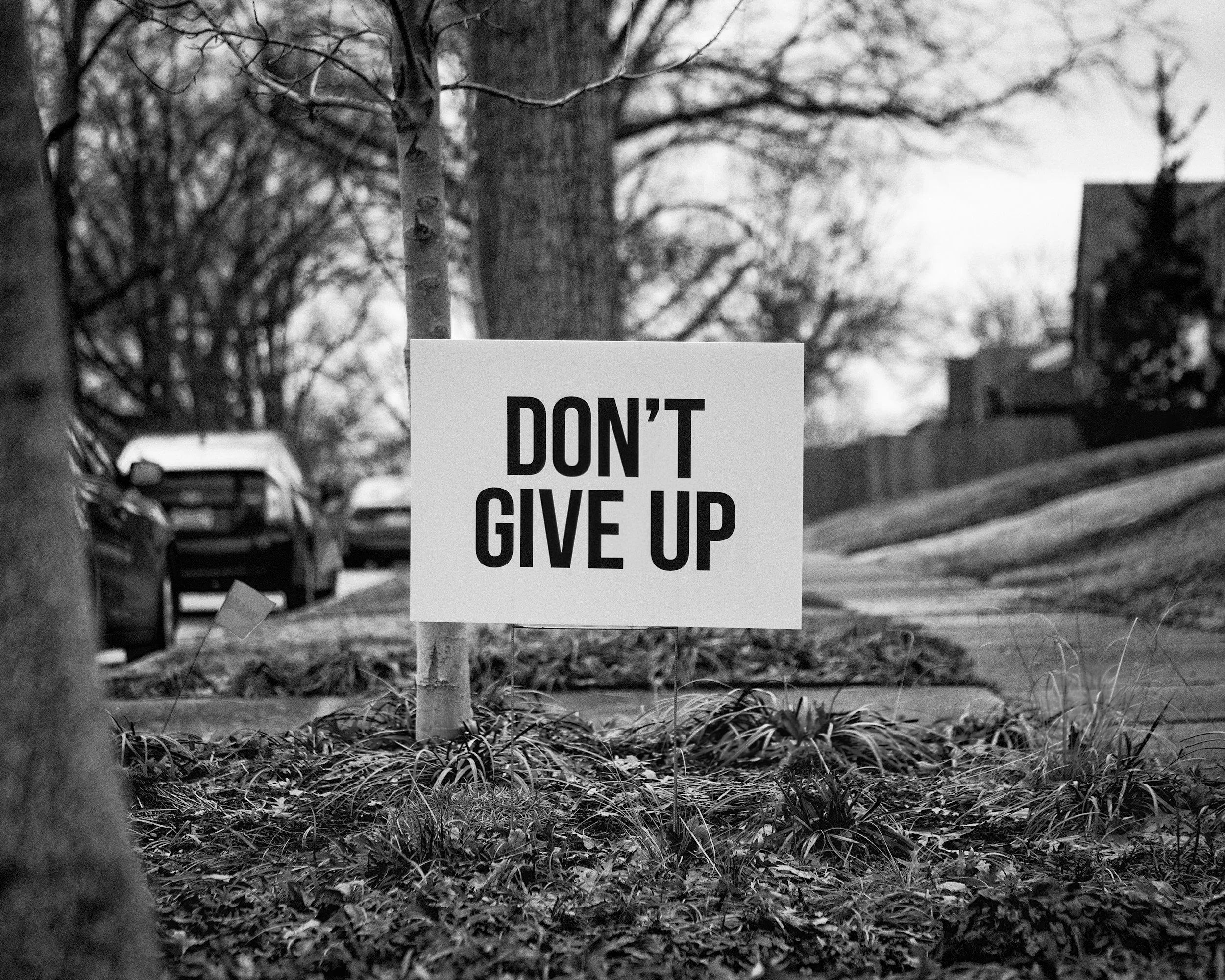
Sobriety Isn’t Always Easy—And That’s Okay
There’s a version of sobriety that gets shared often—the peaceful mornings, the clarity, the sense of freedom.
And while those moments are real, there’s another side that deserves just as much attention: The hard days.
The days where emotions feel overwhelming. The days where old patterns call louder than usual. The days where you wonder, “Why does this feel so difficult?”
If you’re in one of those moments, let this be your reminder: Nothing has gone wrong.
In fact, something is going very right.
Why Sobriety Can Feel Hard
When alcohol is removed, what’s left isn’t just clarity—it’s awareness.
You begin to feel things more fully. You notice your triggers. You become aware of patterns that were once easy to avoid.
This process can feel uncomfortable, especially in early recovery, but also at any stage of the journey.
Research shows that emotional regulation and stress response systems are still recalibrating in sobriety (Koob & Volkow, 2016). That means those intense feelings?They’re part of your brain and body learning a new way.
The Shift: From Escaping to Staying
Sobriety asks you to do something powerful: To stay present when you’d rather escape.
This is where emotional sobriety begins. Instead of numbing discomfort, you learn to move through it.
Simple practices can help:
Pausing and taking slow, conscious breaths
Naming your emotions to reduce their intensity (Lieberman et al., 2007)
Grounding yourself in the present moment
These small shifts create space between feeling and reaction—and that space is where change happens.
What “Keeping Going” Really Looks Like
Keeping going in sobriety doesn’t always look strong or confident. Sometimes it looks like:
Getting through the next 10 minutes
Reaching out instead of isolating
Letting yourself feel without shutting down
Choosing not to act on an urge
These moments matter. They are the foundation of long-term change.
You Don’t Have to Do This Alone
Sobriety is deeply personal—but it’s not meant to be done in isolation. Support can make the difference between surviving and truly thriving. If you’re navigating a challenging season in your sobriety, this may be the exact moment to lean into guidance, structure, and support.
Ready to Strengthen Your Sobriety?
If you’re ready to build emotional resilience, feel more grounded, and have tools for the hard days.
I invite you to book a free 30-minute Level Up Your Sobriety Consult. Together, we’ll explore what’s coming up for you and how you can move through it with more support and clarity.
References
Koob, G. F., & Volkow, N. D. (2016). Neurobiology of addiction. The Lancet Psychiatry.
Lieberman, M. D., et al. (2007). Putting feelings into words. Psychological Science.
Substance Abuse and Mental Health Services Administration (SAMHSA). (2020). Recovery support resources.
Tanya D. is a Usui/Holy Fire® III Karuna Reiki® Master, Pranic Healer, Meditation Instructor, Holistic Recovery and Spiritual Life Coach, SHE RECOVERS® Coach, and BreakAwake Coach. Find her @thepeacewecrave on Facebook/Instagram and at www.thepeacewecrave.com for all things recovery, energy, meditation, healing, and peace. Contact her at tanyad@thepeacewecrave.com.